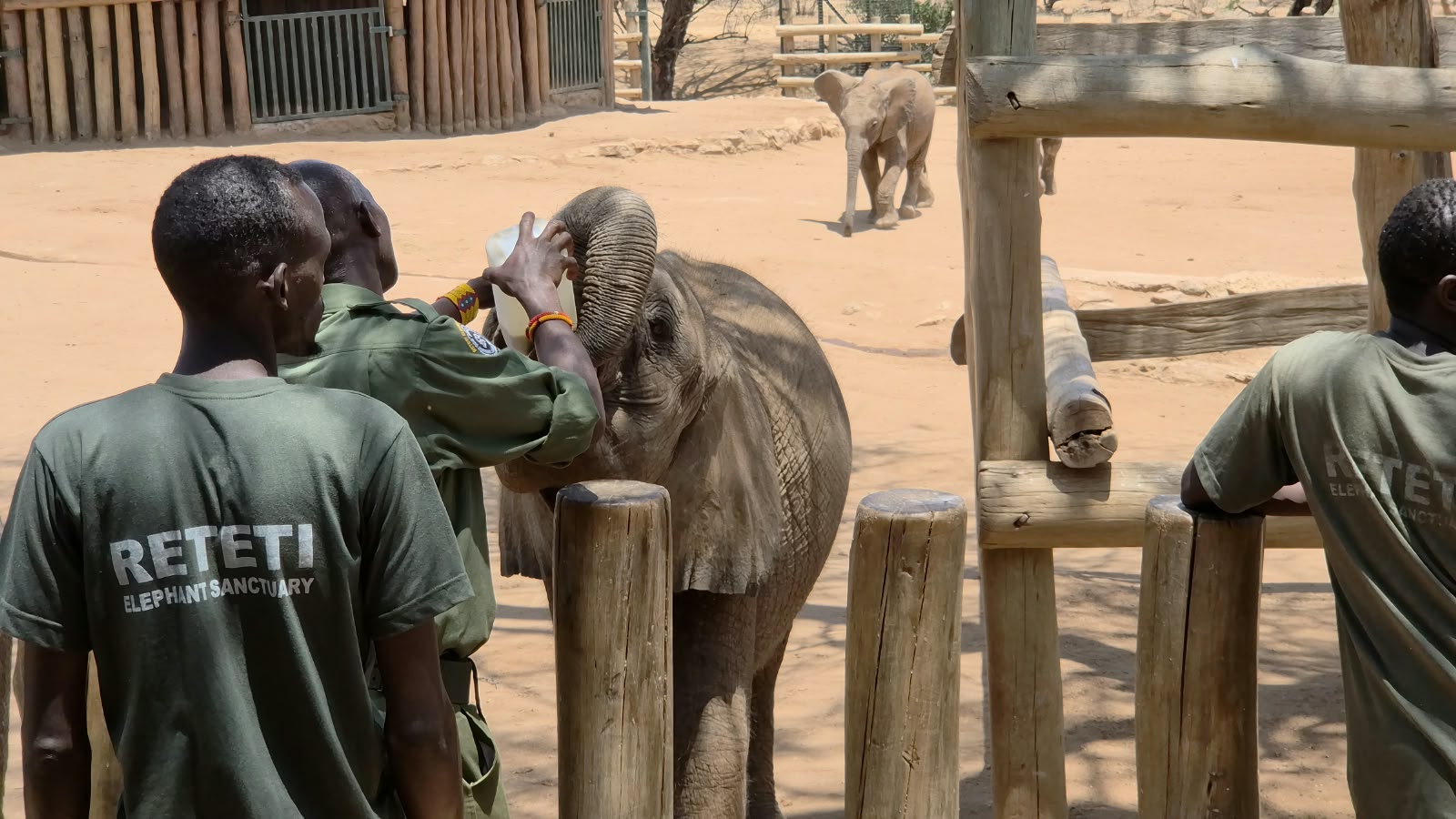
Reteti Elephant Sanctuary, Africa's first elephant orphanage that is wholly owned and operated by a local community, is drawing attention as a model that ties wildlife rescue to local livelihoods in Samburu County, northern Kenya, according to KBC Digital.
The sanctuary sits inside the 850,000-acre Namunyak Wildlife Conservation Trust at the base of the Mathews Range and is run entirely by members of the indigenous Samburu community, KBC Digital reports. It also operates as a tourist destination, and the Kenya Tourism Board (KTB) is pointing to it as an example of the untapped draw of the northern Kenya circuit.
Why it matters
Most conservation stories are told from the outside in. Reteti inverts that: the people who live alongside the elephants are the ones running the rescue operation, and the money the sanctuary earns flows back to them.
According to KBC Digital, Reteti currently looks after 52 elephants. It buys roughly 680 litres of milk each day from the surrounding community, a supply chain that supports about 1,250 women. The sanctuary employs 1,200 people, most of them drawn from the local area, and income from visitor bookings and donations is returned to assist residents.
For KTB, the sanctuary fits a wider strategy. The board is promoting lesser-known destinations in northern Kenya as part of a domestic tourism drive and is working toward a target of 5.6 million bed nights by 2027. Its campaign is meant to move beyond simply raising awareness and toward increasing actual bookings and overnight stays across the country's regions throughout the year.
Singing wells and the drought behind the rescues
Reteti's location was chosen deliberately. Northern Kenya is one of the areas hardest hit by drought, and elephants struggling to find water frequently come into contact with people, KBC Digital reports.
Guest Relations Officer Russia Lenanyokie told the outlet that around 70 percent of the elephants brought to the sanctuary fell into wells dug by community members to reach water. The Samburu call these "singing wells," she said, because people sing as they draw water for their animals in the morning.
"We exist because northern Kenya is one of the areas most affected by drought," Lenanyokie said, according to KBC Digital.
The sanctuary also takes in elephants affected by human-wildlife conflict and poaching, KBC Digital reports.
Milk, music and a slow road back to the wild
Operations Officer Patricia Parkeri told KBC Digital that the staff have worked out ways to handle aggressive animals, including using car tyres during training sessions, which also helps protect the handlers from injury.
Feeding is done to the accompaniment of singing. "We sing to our animals while we are feeding them. It is a culture that has been passed down through generations," Parkeri said, according to the outlet.
The sanctuary releases elephants in mixed groups of males and females to prepare them for life in the wild. Parkeri said 23 elephants have so far been returned to the wild after reaching the age of seven, which KBC Digital describes as a significant rehabilitation milestone. Elephants that choose to come back are welcomed, she added.
For visitors, the main public viewing window is the Midday Feed, which runs from 11:30 AM to 1:00 PM, with the bottle-feeding itself taking place at noon. KBC Digital reports that attendance is capped at 15 to 20 visitors split across three groups. October is among the sanctuary's peak periods.
What to watch: whether KTB's northern Kenya push translates into the bookings and bed nights it is targeting by 2027, and whether Reteti's community-owned model gets replicated elsewhere.